Gas networks & land-use planning: supporting the energy transition
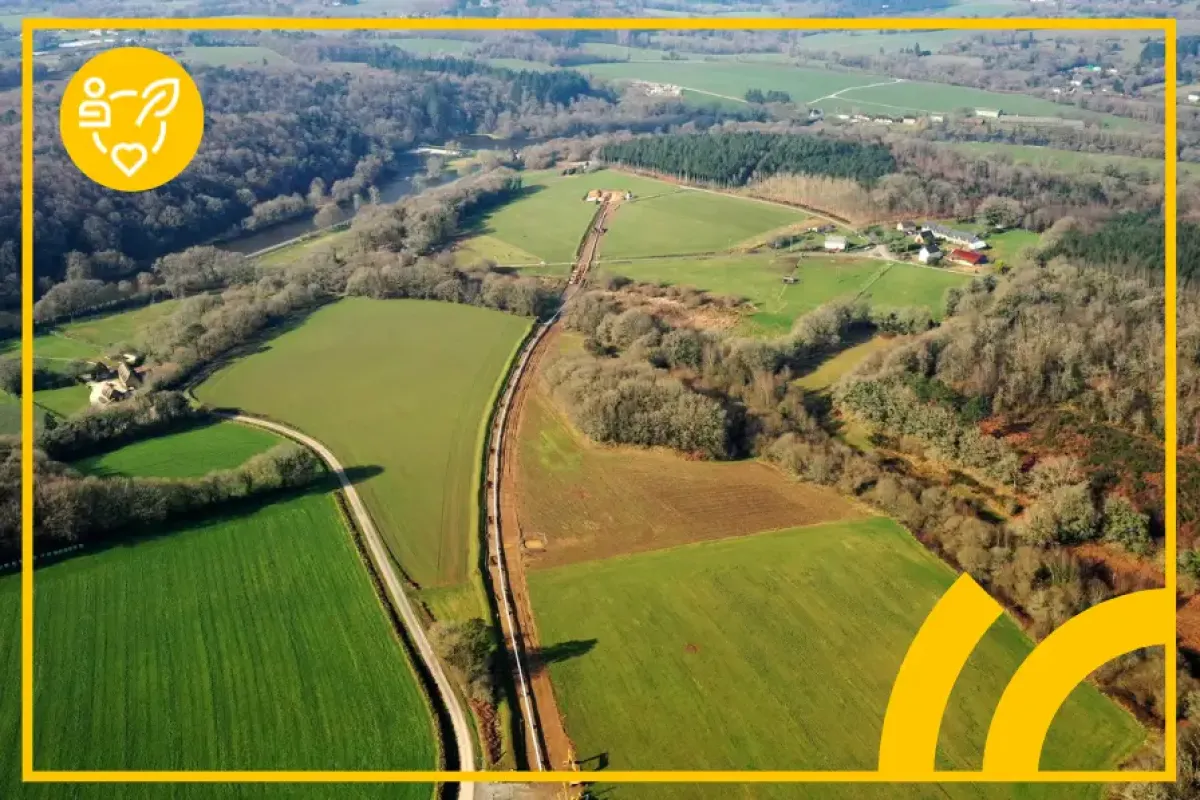
The NaTran network supports local energy transition initiatives by focusing on renewable gases, the circular economy, digital technology and close partnerships with local stakeholders.
How does the NaTran network support regional development?
NaTran leverages its high-pressure gas transmission network to support regions in their energy, economic and environmental transitions. Supporting the energy transition in local communities
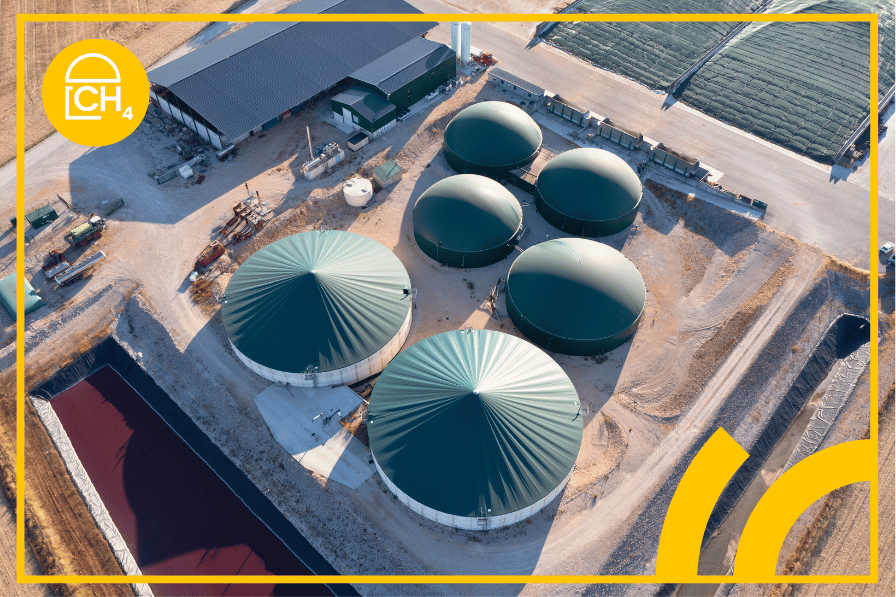
NaTran is gradually transforming its network into a multi-gas system capable of receiving renewable and low-carbon gases. The deployment of reverse systems enables regions to inject biomethane into the local grid, even when distribution networks are at full capacity.
As of 30 June 2026, 851 biogas plants are feeding biomethane into the existing networks, and 1,825 projects are listed in the capacity register.
NaTran works in partnership with local authorities and regional sectors to secure energy supplies, facilitate regional energy projects and strengthen the resilience of energy systems, whilst taking into account issues relating to biodiversity, land use and stakeholder engagement
How does NaTran support manufacturers in their energy transition?
NaTran is transforming its network to enable manufacturers to reduce their emissions whilst maintaining their competitiveness, through gradual decarbonisation pathways tailored to the realities of their production processes.
The network, which was originally designed for natural gas, is being converted into a multi-gas network capable of carrying biomethane, synthetic methane, hydrogen et CO₂ capté. hydrogen and captured CO₂. NaTran thus helps to shape low-carbon industrial ecosystems that are compatible with climate targets.
NaTran supports manufacturers in a step-by-step process:
- replacing coal and fuel oil with gas,
- followed by the integration of renewable and low-carbon gases for high-temperature applications that are difficult to electrify.
This phased approach reduces carbon emissions without compromising production capacity.
To go further:
Publications
How does NaTran ensure the security and availability of its network on a day-to-day basis?
NaTran relies on teams located throughout the country, rigorous operational processes and advanced digital tools to prevent incidents and ensure the continuity of the supply chain.
Connected sensors, remote data transmission and machine learning make it possible to detect weak signals, anticipate faults and schedule maintenance with precision.
NaTran combines traceability of interventions, geographic information systems and innovative solutions (satellite imagery, drones) to detect high-risk situations at an early stage, particularly during third-party work.
The control centre continuously ensures a balance between supply and demand by consolidating meter readings, operator data, weather information and simulation tools, including Inopex. This control makes it possible to anticipate changes in consumption and optimise the resilience of the network.
How does the Smart Grid accelerate the energy transition in regions?
NaTran is placing Smart Grid at the heart of its network’s development to accelerate the integration of renewable gases, by harnessing digital technology and fostering cooperation between local stakeholders.
West Grid Synergy brings together transmission system operators, distribution system operators, energy associations and local authorities to test practical Smart Grid solutions: data collection and sharing, optimisation of exchanges between producers and consumers, and dynamic pressure management. The aim: to improve the integration of biomethane and prepare the networks for future uses.
Developed as part of the West Grid Synergy initiative, the MonGazDuCoin platform facilitates the sharing of local data to optimise the production, use and utilisation of biomethane at regional level.
Combining the physical capacity of the network with real-time digital tools enables more precise management of energy flows, the anticipation of congestion, and a better balance between local generation and consumption.
CONNECT: educational tool for the networks of today and tomorrow
Connect presents the modes of production of green gases, their connection to the network and the Smart Grid solutions.
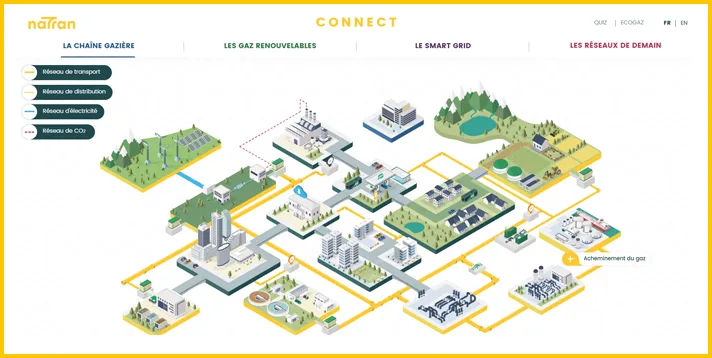
Questions for NaTran’s regional delegations
Working closely with local authorities and stakeholders, NaTran’s regional representatives support local energy projects, the integration of renewable gases and the transformation of industrial practices, in collaboration with elected representatives, industry sectors and economic partners.
The Centre Atlantique Delegation covers Bretagne, the Pays de la Loire, the Centre-Val de Loire and the northern part of Nouvelle-Aquitaine.
Biomethane already accounts for more than 6% of gas consumption there (266 sites en injection fin 2025) et devrait atteindre 20 % dès 2030. NaTran adapte son réseau par raccordements directs et rebours, et anime la filière via des partenariats avec les chambres d’agriculture, le SER, les régions et les syndicats d’énergie.
NaTran is also involved in the GOCO2 project, which aims to capture and transport CO2 from major emitting sites in western France to storage sites in the North Sea, via the Grand Port Maritime de Nantes-Saint-Nazaire.
The Val de Seine Delegation covers the Île-de-France and Normandie regions, including the Axe Seine, a densely developed industrial corridor home to France’s leading port for foreign trade. Around 100 biogas plants there produce 2.7 TWh of local renewable gas (enough to power 600,000 homes), which is transported via nine pipelines already in operation.
To ensure that this renewable gas can be distributed wherever it is needed, NaTran is rolling out reverse facilities, which allow biomethane to be reinjected into multiple consumption zones. In the Île-de-France and Normandie regions, nine reverse systems are already in operation, strengthening the network’s capacity to receive this local, low-carbon gas, and several more facilities are expected to be built.
To move towards 100% renewable gas, NaTran supports the emergence of new sectors (pyrogasification, hydrothermal gasification) through the Cercle des Nouveaux Gaz Verts Francilien, and has launched a call for interest (AMI) for CO₂ transport among the region’s industrial stakeholders.
The sites connected to the NaTran network in the north-east account for nearly 50% of the biomethane injected into the French transmission network. NaTran is carrying out the necessary adaptations for direct injection and reverse systems, and contributes to the sector’s development via the CORBI (Hauts-de-France) and the Association des méthaniseurs du Grand Est
As for hydrogen, the mosaHYc project (a cross-border network linking the Moselle and Saar regions) will enable the steelmaker SHS to receive French hydrogen from 2029. The HY-FEN project (850 km, H2Med corridor) is continuing its studies. With regard to CO₂, a recent call for interest has confirmed the high expectations of local industry regarding carbon capture and storage, with the aim of transporting the carbon to Dunkerque.