NaTran Deutschland, Elengy and Trensitis
Our three subsidiaries specialize in diverse activities: NaTran Deutschland, operator of the MEGAL gas pipeline in Germany; Elengy, European leader in LNG terminals; Trensitis specializes in the green maintenance of gas infrastructure.
Connecting the energies of the future
A key player in European gas transmission and pioneer of the future hydrogen network
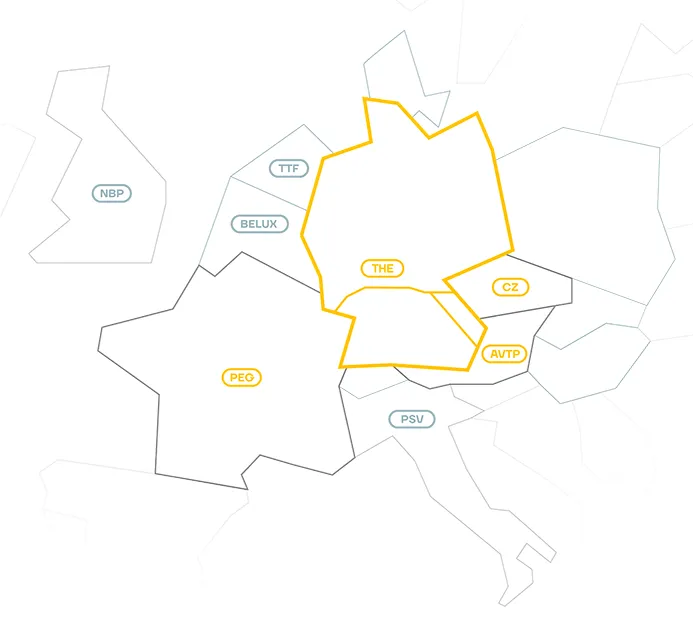
NaTran Deutschland, a German TSO certified as an ITO (Independent Transmission Operator), operates the MEGAL pipeline, which extends NaTran’s network in Germany as far as the Czech Republic and Austria. This high-capacity artery fulfils two roles: carrying gas to southern Germany and routing it to or from France. The large volumes transported contribute to security of supply for both countries.
NaTran Deutschland, recently certified as a Hydrogen Transmission Network Operator (HTNO), is driving the energy transition and the development of low-carbon gas transmission. Working with other German transmission system operators, our subsidiary is deploying transmission infrastructure dedicated to hydrogen: the “Kernnetz”. By 2032, one of the two MEGAL pipelines will be converted to hydrogen, ready to receive green hydrogen from southern Europe transported via the H2med and HY-FEN corridors.
Elengy: a European leader for LNG terminals
Our subsidiary Elengy is an expert in Liquified Natural Gas (LNG). and operates the three regulated LNG terminals in France: Montoir-de-Bretagne on the Atlantic coast, Fos-Cavaou and Fos-Tonkin on the Mediterranean.
As the entry points for LNG in Europe, these three sites these three sites offer the market optimum flexibility for loading or unloading any type of LNG carrier, transshipments between LNG carriers, loading tankers with LNG or regasification of LNG for injection into the transmission network.
In recent years, Elengy has also been developing a strategy of decarbonising these assets by investing in the development of bio-LNG, hydrogen and low-carbon ammonia activities together with Carbon Capture, Utilisation and Storage (CCUS) chains. It aims to transform its facilities into decarbonisation hubs and prepare the transition to a carbon-neutral supply by 2050.
Trensitis, a new subsidiary specializing in green maintenance of gas infrastructure
Based in Conflans-Sainte-Honorine in the Yvelines department, Trensitis is 70% owned by NaTran and 30% by Storengy. Its mission is to reduce methane emissions during industrial maintenance operations and thus comply with the relevant European regulations.
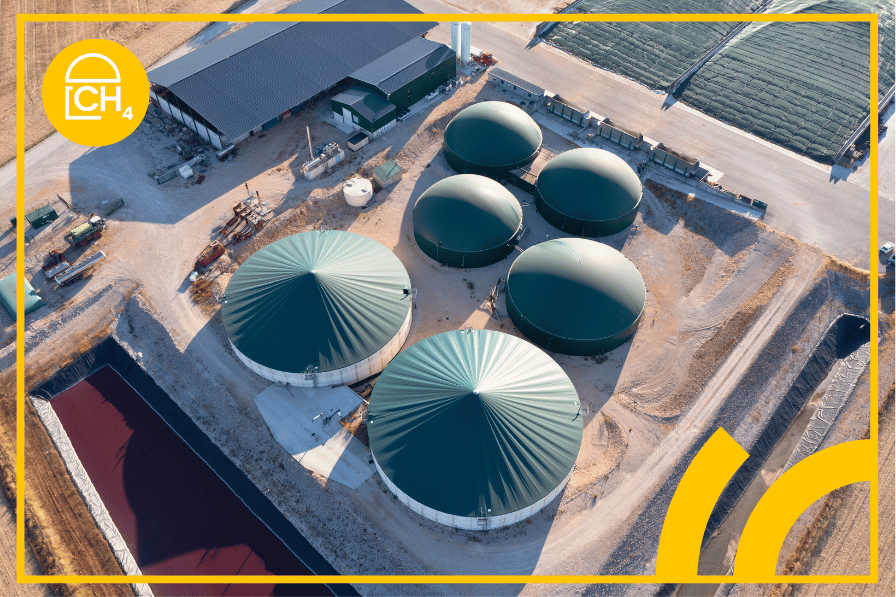
Composed of specialized engineers and technicians, the Trensitis teams have developed unique expertise in the use of mobile gas boosters (compressors capable of transferring pressurized gas between different areas of a facility), thus preventing methane emissions. Fifteen mobile gas boosters of varying sizes are available to clients according to their needs.

NaTran et Storengy lancent Trensitis
Filiale dédiée à la maintenance verte des installations gazières
Questions - réponses sur nos 3 filiales
NaTran s’appuie sur trois filiales clés : NaTran Deutschland, qui opère le gazoduc MEGAL, Elengy, gestionnaire de trois terminaux méthaniers GNL en France et Trensitis, expert unique dans l’utilisation de « gaz boosters mobiles ».
Elengy exploite trois terminaux méthaniers GNL en France. Ils permettent le déchargement, la regazéification et l’injection du gaz dans le réseau, renforçant l’approvisionnement énergétique.
NaTran Deutschland gère le gazoduc MEGAL, reliant l’Allemagne à plusieurs pays voisins. Il sécurise les flux transfrontaliers et prépare l’infrastructure au transport d’hydrogène.l’hydrogène).
Trensitis dispose d’une flotte de 15 gaz boosters mobiles de différentes gammes, adaptées aux besoins variés de ses clients.