Acting for the circular economy
As part of the energy transition, NaTran is adopting a circular economy approach to transform its infrastructure by reducing its environmental footprint. This approach concerns every stage of its industrial projects, from design and construction through to operation and maintenance.
The circular economy at NaTran
The circular economy forms part of the NaTran2030
It is one of the driving forces behind our transformation and a key component of our CSR policy with the “Designing and operating infrastructure that respects global boundaries” pillar, which guides our day-to-day actions.
>>> NaTran2030: accelerating the energy transition and carbon neutrality
We are contributing to the energy transition by organising our practices around the principles of efficiency, reduction, reuse and waste recovery, and by developing renewable and local energy solutions. This approach serves as a catalyst for environmental, industrial and regional development. It aims to optimise our consumption of energy, resources and materials.
To improve the company’s environmental performance, we incorporate circular economy principles into every stage of the life cycle of our industrial projects by designing, constructing, operating and maintaining more resource-efficient infrastructures. This approach is reflected in eco-design, reusing materials taken directly from our building sites to minimise the use of new materials, reducing and recycling waste, and using resources more efficiently to better conserve them.
>>> How does NaTran preserve biodiversity and land use?
In addition to its own industrial transformation initiatives, which incorporate the principles of the circular economy, NaTran contributes to the development of a circular economy in the energy sector through its central role in the French gas system and the injection of renewable gases into its network.
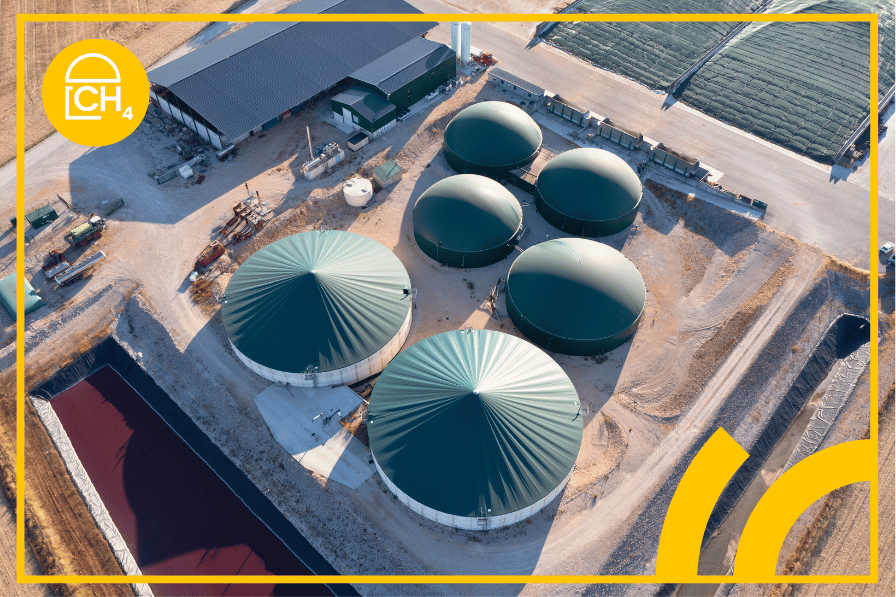
- In France, innovative methods of producing renewable and low-carbon gases from waste, such as biomethane, are being developed to generate local and sustainable energy.
- In the Île-de-France region, the recovery of non-recyclable solid waste by pyro-gasification is taking shape, with the aim of converting it into gas that can be fed into the network.
- In Saint-Nazaire, a hydrothermal gasification demonstration plantis being created to produce low-carbon energy from organic waste of various origins: agricultural, agri-food, paper, municipal waste, sewage sludge, etc.
>>> How does NaTran integrate its activities into the circular economy?
Beyond our own actions, circularity is also a means of promoting responsible procurement. We encourage our suppliers to offer eco-friendly versions of their products and to align their operations with a decarbonisation strategy.
>>> To find out about our commitments, see the 2026 Overview
Publications

Frequently Asked Questions — Circular Economy at NaTran
Limit the use of new resources and the generation of waste, and extend the lifespan of materials and equipment.
Design, construction, operation and maintenance.
No: reuse extends the period of use; recycling transforms the material.
Yes, several avenues for resource valorization are presented.
No, the stages of development must be distinguished.