


Hydrogen production from offshore electricity
The HyNOS working group publishes an expert report on the economic benefits of producing hydrogen from wind power in the North Sea and its contribution to the energy transition.
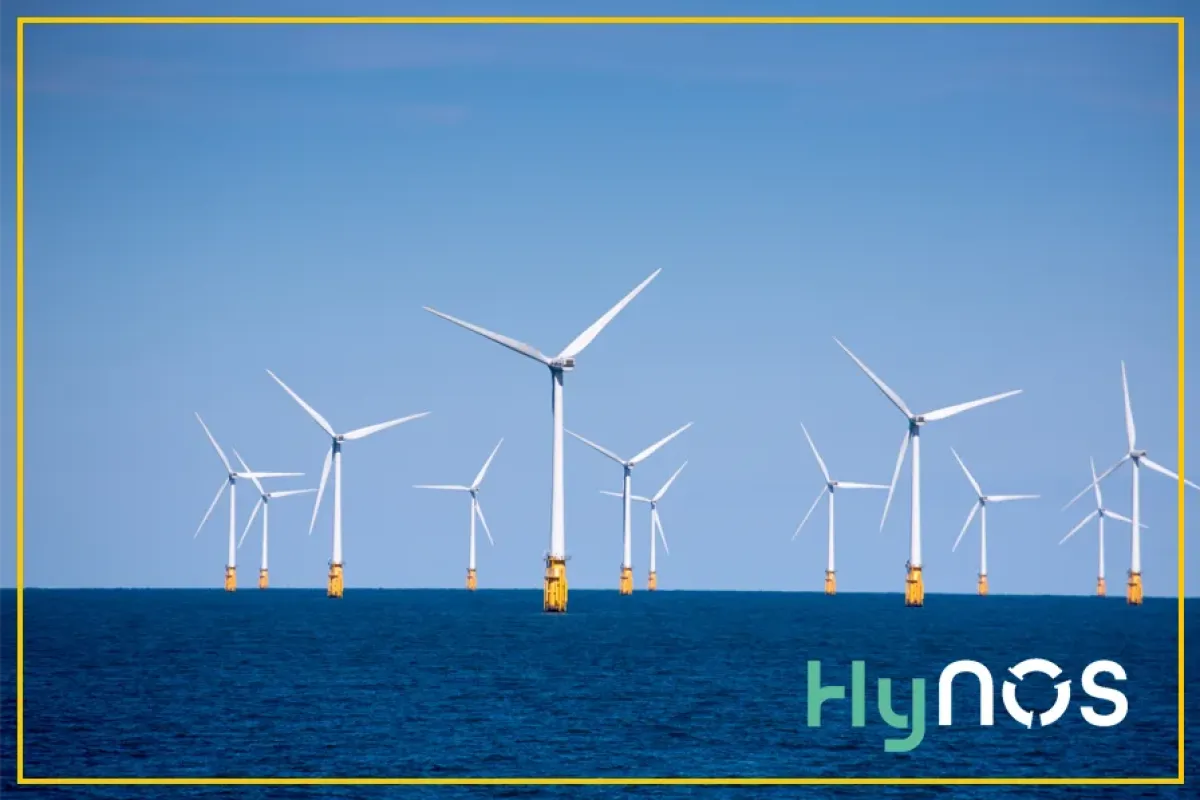
On Monday, 26 January 2026, in Hamburg, as part of the International North Sea Summit, the HyNOS working group, in which NaTran is actively involved, revealed its expertise on the economic benefits of co-optimising offshore electricity and hydrogen systems to harness the potential of offshore wind power.
Benefits of co-optimising offshore electrical and hydrogen systems
- The crucial role of hydrogen in the context of energy transition, particularly in decarbonising sectors that are difficult to electrify and for the additional flexibility it brings to the electricity system.
- The services provided by electrolysers, which can convert surplus renewable electricity into green hydrogen, thereby reducing losses and promoting the development of offshore wind power.
- The benefits of hydrogen:
- low-cost transport via pipeline;;
- large-scale storage;
- increased network resilience.
Publications
"At NaTran, we firmly believe that only a collective and integrated approach will enable us to transform these ambitions into concrete projects that will contribute to Europe's energy transition and security of supply."Pierre Duvieusart
NaTran Deputy Director present at summit
HyNOS: partners involved in the study
Gascade (German gas transporter); Gasunie (Dutch transporter), NaTran, Fluxys (Belgian infrastructure manager), Energinet (Danish multi-energy operator), National Gas (British operator) and Gas Networks Ireland (Irish operator).